Healthcare
Zydus Therapeutics’ Saroglitazar NDA for Primary Biliary Cholangitis Receives Priority Review from US FDA
By MILLENNIUM NEWSROOM Desk · Published: Jun 02, 2026 05:53 AM · Updated: Jun 30, 2026 09:29 PM
3 min read
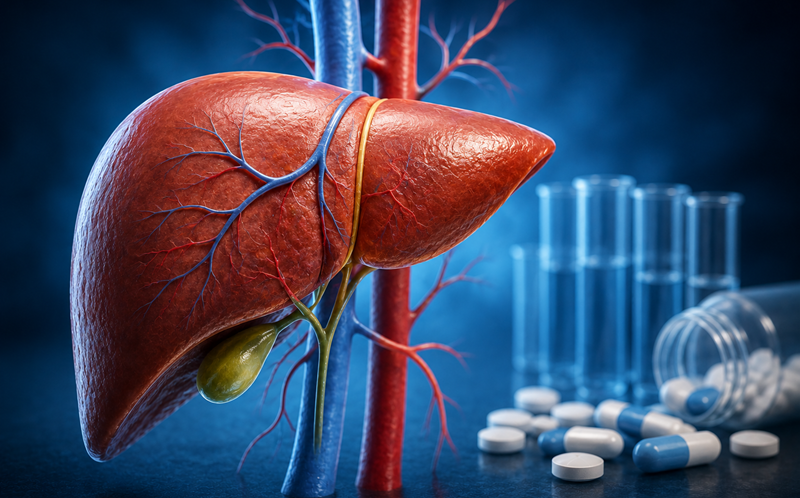
Zydus Therapeutics, a wholly owned subsidiary of Zydus Lifesciences, announced that the US Food and Drug Administration (US FDA) has granted Priority Review to its New Drug Application (NDA) for saroglitazar for the treatment of Primary Biliary Cholangitis (PBC). The proposed indication covers use in combination with ursodeoxycholic acid (UDCA) in adults who have shown an inadequate response to UDCA, as well as monotherapy for patients unable to tolerate UDCA.
The US FDA has assigned a Prescription Drug User Fee Act (PDUFA) target action date of November 27, 2026. Priority Review is granted to applications that may offer significant improvements in the treatment, diagnosis, or prevention of serious conditions.
“The acceptance of our NDA with Priority Review highlights the significant unmet need that exists for patients with PBC and represents an important step in the path to making saroglitazar available in the US,” said Dr. Sharvil Patel, Managing Director of Zydus Lifesciences.
Phase 3 Trial Achieved Primary Endpoint
The NDA submission is supported by findings from the EPICS-III Phase 3 trial, a randomized, double-blind, placebo-controlled study evaluating saroglitazar in adult patients with PBC who had an inadequate response to or intolerance of UDCA.
In the trial involving 148 patients, saroglitazar met its primary endpoint at Week 52, demonstrating a statistically significant improvement in biochemical response compared with placebo. A total of 56.7% of patients receiving saroglitazar achieved biochemical response, compared with 9.8% of patients in the placebo group, resulting in a treatment difference of 48% (95% CI: 35.3, 60.8; p < 0.001).
Among participants with baseline ALP levels less than or equal to three times the upper limit of normal, biochemical response rates were 83.1% for saroglitazar and 14.7% for placebo.
Significant Reduction in ALP Levels
Saroglitazar demonstrated a treatment difference of 40.1% in alkaline phosphatase (ALP) levels. Patients treated with saroglitazar recorded a 33.5% reduction in ALP from baseline, while patients receiving placebo experienced a 6.5% increase.
“The magnitude of separation between saroglitazar and placebo in biochemical response is a clinically meaningful result for patients whose disease continues to progress on UDCA,” said Dr. Kris Kowdley, Director of Liver Institute Northwest and Senior Scientific Advisor at Velocity Clinical Research.
Secondary Endpoint Findings
At Week 24, patients treated with saroglitazar experienced a statistically significant reduction in pruritus compared with placebo. The change from baseline in 5-D Itch Total Score was -5.9 versus -2.7, producing a treatment difference of -3.2 (95% CI: -5.66, -0.82; p = 0.009).
By Week 52, saroglitazar-treated patients experienced a reduction of -4.6 compared with -4.4 in the placebo group, which did not reach statistical significance.
Safety and Tolerability Profile
Saroglitazar was generally well tolerated throughout the EPICS-III trial. Most treatment-emergent adverse events were mild to moderate. Serious adverse events occurred in 6.3% of patients receiving saroglitazar compared with 11.1% in the placebo group. No treatment-related deaths were reported, and investigators did not consider any serious adverse events related to study treatment.
The most frequently reported treatment-emergent adverse events occurring in more than 5% of patients and at least 2% more often than placebo included headache, hypertension, upper respiratory tract infection, abdominal pain, COVID-19, diarrhea, and vitamin D deficiency.
Gallery
Photo Gallery